
On Wednesday, May 5, Starship serial number 15 (SN15) successfully completed the fifth high-altitude flight test of a Starship prototype from SpaceX’s Starbase in Texas.
Since rocket parts have very expensive parts, being able to recover their parts as much as possible has been an issue that has been discussed by scientists. These rescue systems, which are present in simple rockets, mean more complex requirements for larger rockets. Elon Musk tried to solve this complex situation by bringing the returned parts of the rocket back to a launch area. Although the initial trials resulted in explosions, this time SpaceX and Elon Musk managed to make these dreams come true.
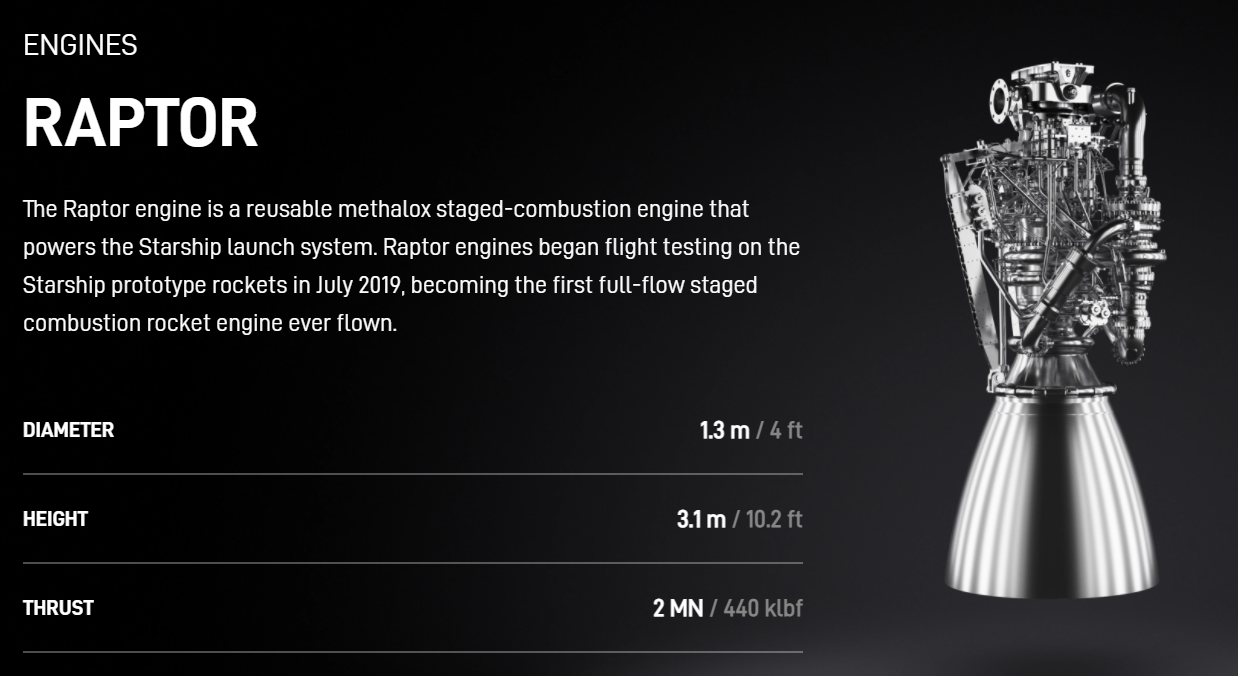
Similar to Starship’s previous high-altitude flight tests, the SN15 rose with three Raptor engines and each turned off in turn before the vehicle reached the top (about 10 km altitude). The SN15 performed a propellant passage to the internal header tanks holding the landing fuel before re-orienting itself for re-entry and a controlled aerodynamic landing.
The Starship prototype landed under active aerodynamic control and was carried out by independent movement of the two forward and two aft wings on the vehicle. All four wings were operated by an onboard flight computer to control the Starship’s in-flight behavior and ensure precise landing at the desired location. The SN15’s Raptor engines were re-ignited when the vehicle performed the landing maneuver just before descending for a nominal landing on the pad.
All of these test flights of Starship are all about transporting both crew and cargo on long-term interplanetary flights and improving the understanding and development of a fully reusable transportation system designed to help humanity return to the Moon and travel to Mars and beyond.
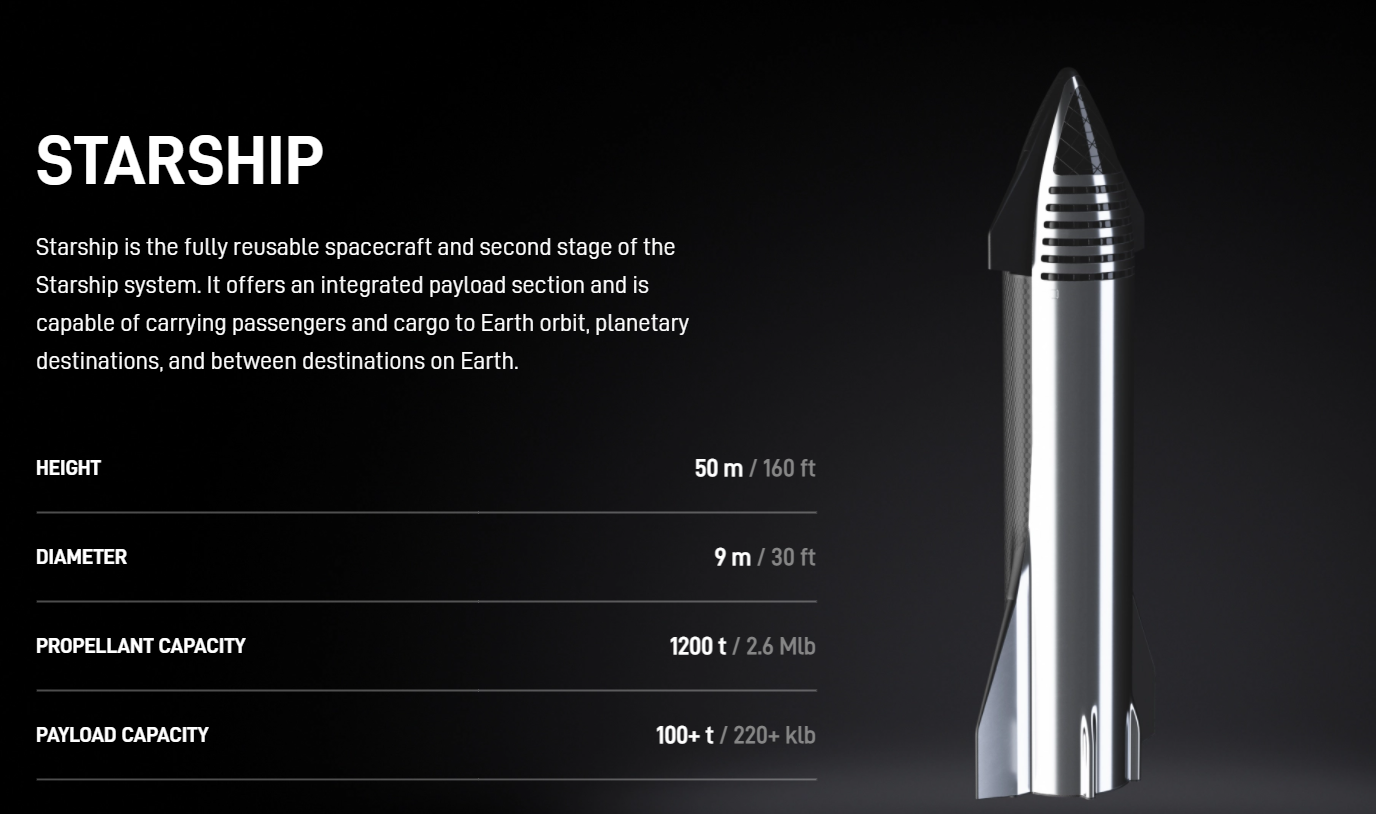
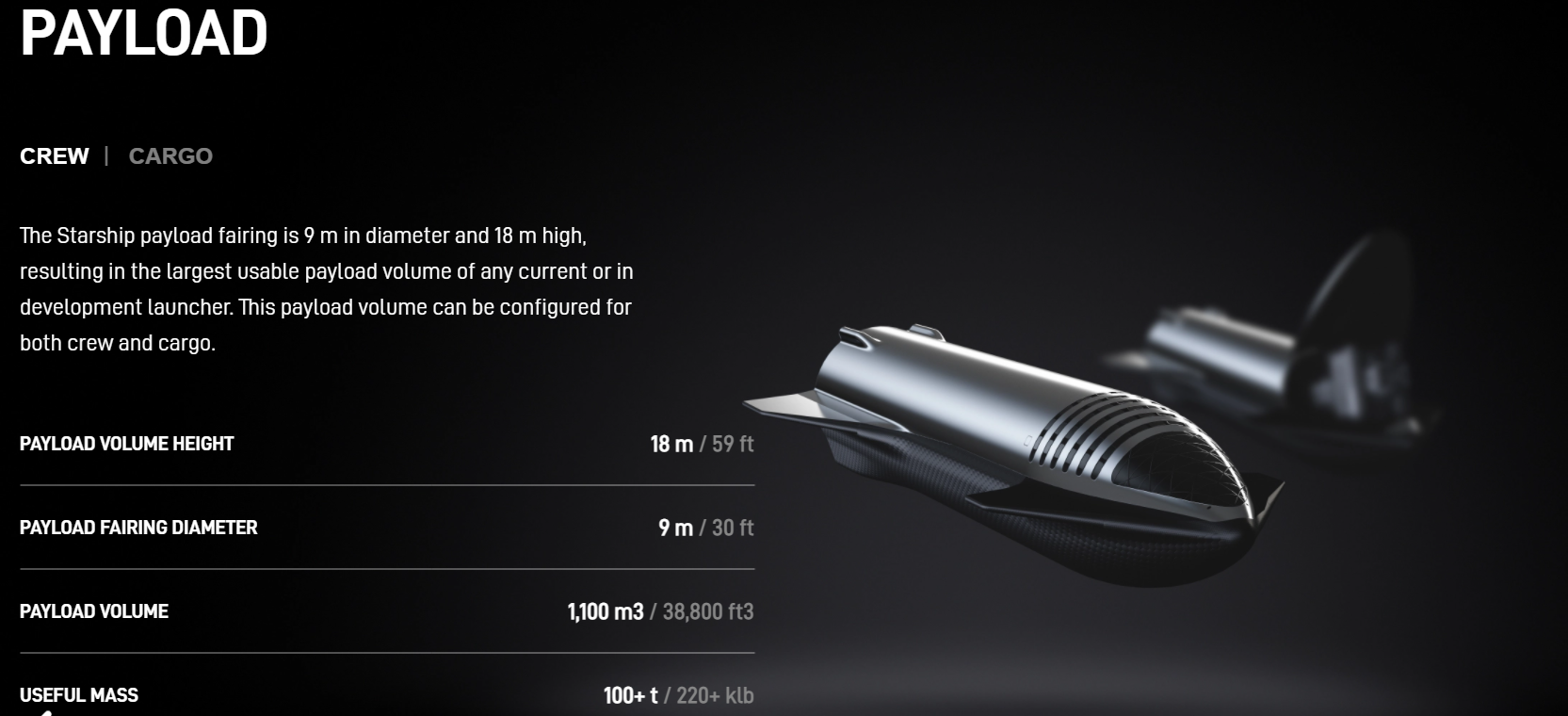
The information of the rocket shared by SpaceX is as follows:


Stay with science and knowledge.
Halit Yusuf Genç
SOURCES:
 Engineer For Space